


Cactus Leather Is Not Vegan Leather. The Difference Could Define Your Next Collection.
- OPUNE®
- Mar 17
- 5 min read
Published by Opune | Material Intelligence for the Modern Brand
There’s a word that’s been quietly ruining sustainable fashion’s credibility: vegan.
Not because the ethics are wrong. But because the word has been stretched so thin that a $12 polyurethane wallet and a lab-developed bio-composite sourced from nopal cactus now sit under the same label. When everything is “vegan leather,” nothing means anything anymore. And your customer the one reading hang tags and doing five minutes of research before buying already knows it.
Cactus leather is not vegan leather in the way that category is understood today.
It deserves its own sentence. Its own sourcing conversation. Its own position on your material board.
What “Vegan Leather” Actually Became
Go back to 2015. The phrase “vegan leather” was doing important work it was pulling people away from animal hides and pointing them toward something different. That was its job, and it did it reasonably well.
But here’s what happened next: every synthetic material under the sun quietly rebranded. PVC handbags became “vegan leather.” Microfiber car seats became “vegan leather.” Items that were already called pleather or faux leather just found new packaging.
The result? A material category that, in 2025, still runs mostly on petroleum. An industry survey from 2024 found that over 72% of products marketed as “vegan leather” contain polyurethane or PVC as their primary material base. Both are plastic-derived. Both have documented environmental costs during production, and both contribute to microplastic release throughout their lifecycle.
The eco-narrative got borrowed. The material didn’t actually change.
And buyers on the sourcing side the ones who sit across the table from factories in Italy, Turkey, and now India are starting to ask harder questions. Not “is it vegan?” but “what’s it actually made of, and what happens to it in ten years?”
The Nopal Cactus Did Something Plastic Never Could
Cactus leather real cactus leather, developed from the nopal plant works on a fundamentally different principle from synthetic alternatives.
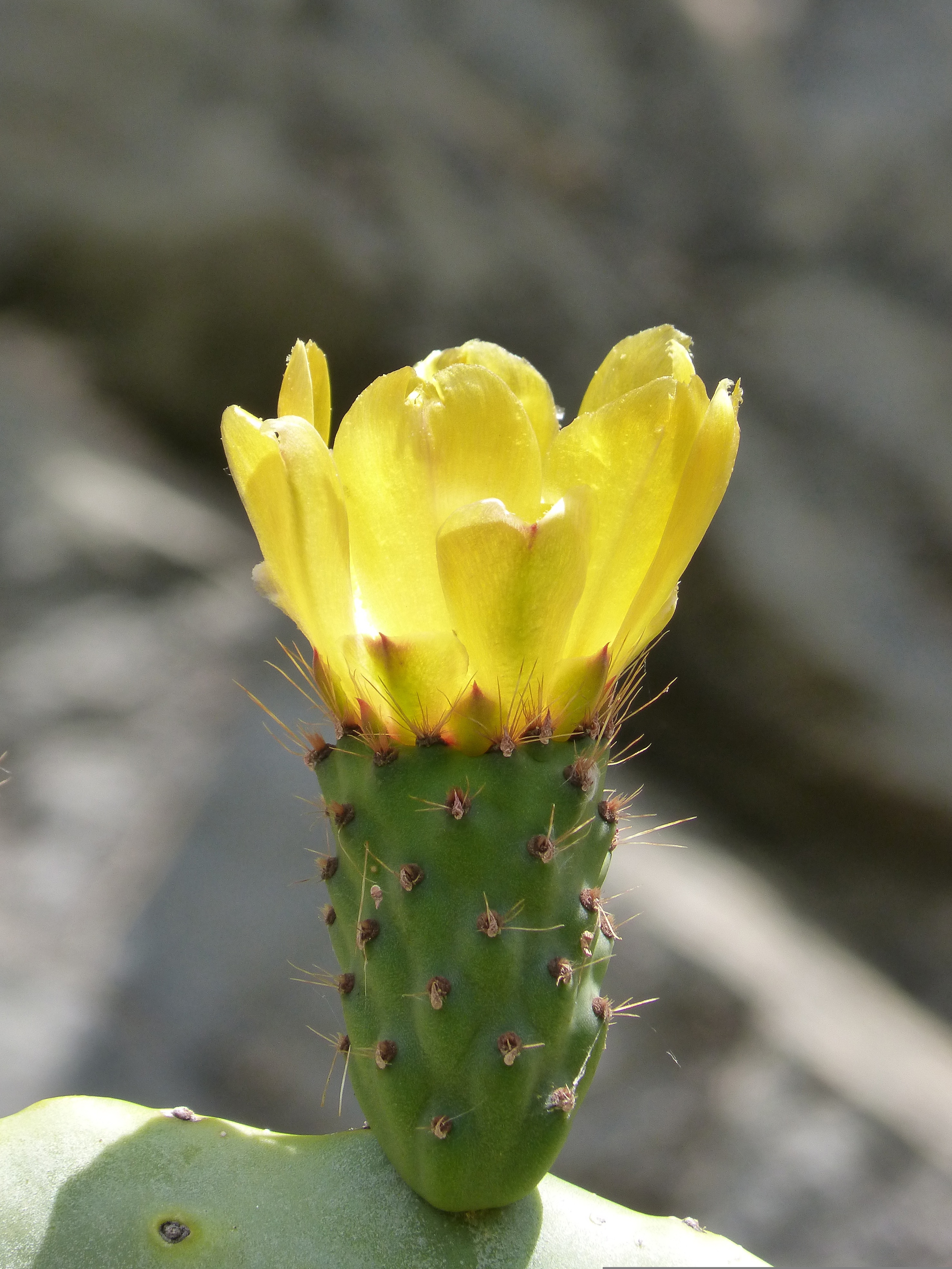
The nopal (Opuntia species) grows in semi-arid land. It doesn’t need irrigation. It doesn’t need pesticides. It absorbs CO₂ during its growth cycle, which means the raw material stage of production is carbon-negative before a single factory is involved. The mature leaves are harvested without uprooting the plant it regenerates. Each plant can yield material for up to eight years.

The processing converts dried, ground cactus biomass into a pliable, leather-like sheet. The material is breathable. It doesn’t trap heat the way synthetic coatings do. It maintains flexibility under stress conditions that cause standard PU to crack or delaminate the exact failure point that earns every vegan leather brand a one-star review eighteen months after purchase.
None of this happens with a PVC base. The properties aren’t comparable. The molecules are not doing the same thing.
Why This Matters If You’re Sourcing at Scale
Here’s the sourcing reality that gets skipped in most editorial coverage of sustainable materials.
When a fashion brand mid-market or luxury makes a material switch, they’re not switching for one SKU. They’re making a supply chain decision that affects manufacturing partners, compliance documentation, end-of-life claims, and how they answer questions from their retail buyers. In the EU, those questions are now accompanied by legislation. The European Green Deal and incoming ecodesign regulations require verifiable substantiation for environmental claims on textile and leather goods. “Vegan leather” with no material specification will not pass scrutiny.
Cactus-based material has a different compliance story. Partially bio-based carbon content. Documented production water footprint. A manufacturer origin that can be traced. When you specify cactus leather on a tech pack, you’re giving your compliance team something to work with.
That’s not an abstract benefit. That’s a sourcing advantage that shortens your documentation cycle.
The India Variable Nobody Is Talking About
Most of the global conversation around next-generation leather alternatives has been centered on Mexican and European origin material. Desserto, the most recognized name in cactus leather, operates from Mexico. European brands have been the primary off-takers.
What’s happened quietly, and with relatively little coverage, is that India has developed its own cactus leather R&D infrastructure and the technical foundation is rigorous.
India’s Central Leather Research Institute (CLRI), which has operated for over six decades and sits within the CSIR network, has turned its materials science capability toward bio-based leather alternatives. The institutional knowledge base here — decades of understanding leather chemistry, testing standards, tensile behavior, finish durability — is not a startup pivot. It is serious applied science redirected at a new material category.
This matters for sourcing in several specific ways:
Cost structure. India-origin cactus leather material, developed with institutional R&D backing, doesn’t carry the same import premium as European or North American-origin bio-materials. For brands building at volume, that’s a margin conversation.
Compliance documentation. CLRI-backed material development means access to formal testing certifications abrasion resistance, flex durability, colorfastness that European B2B buyers require before placing orders. This isn’t boutique sampling. It’s production-ready specification.
Supply continuity. Mexico has one dominant supplier. A single-source supply chain for a critical material is a risk most procurement heads would rather not carry. Indian-origin alternative material especially when developed by a research institute rather than a single private entity offers redundancy.
What Brands Actually Get When They Specify Right
The brands that will win the next five years of the luxury and premium mid-market aren’t the ones who slapped “sustainable” onto existing products. They’re the ones who did the materials work early, got their supply chain documentation in order, and built collections they could stand behind in a press interview, a B2B buyer meeting, and an EU customs declaration simultaneously.
Cactus leather properly sourced, honestly specified, with a traceable material origin gives you that.
Not because it’s a trend. Because the regulatory and consumer intelligence landscape has shifted to where the material story is the product story. A bag’s quality is still in its construction, its finishing, its hardware. But the conversation that gets it onto a department store floor or into a wholesale catalogue in 2025 starts with: where did the material come from, and can you prove it?
That’s a question cactus leather, done right, can answer cleanly.
Vegan leather, broadly defined, mostly cannot.
The Category Is Still Being Written
Cactus leather doesn’t have the brand ubiquity of Italian full-grain. It doesn’t have the distribution infrastructure of PU. What it has is an early-mover window — a period where the sourcing partnerships, the material specifications, and the brand narratives haven’t been locked up yet.
In sustainable materials, that window is typically short.
The brands that found Piñatex in 2017 before it became the default sustainable footwear story had two years of differentiation. The brands that found Mylo in its early commercial phase got press coverage that money couldn’t buy, purely because the material was still genuinely novel.
Cactus leather, especially from non-Mexican origins with institutional backing, is still in that window.
Opune is a cactus leather material brand developed in partnership with India’s Central Leather Research Institute. We supply B2B — fashion houses, footwear brands, automotive interiors, and accessory manufacturers looking for production-ready, compliance-documented sustainable leather alternatives.
[Request a material sample →] www.opune.in


Comments